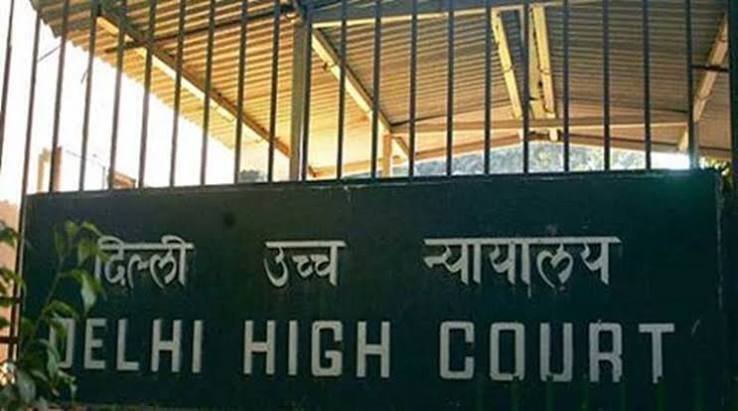
The High Court of Delhi set aside the order dated May 20, 2026, passed by the Trial Court, which had granted regular bail to the respondent in a case involving serious offences under the Bharatiya Nyaya Sanhita (BNS) and the Protection of Children from Sexual Offences (POCSO) Act. The High Court determined that the Trial Court’s order was perverse and ignored critical material considerations, including the vulnerability of the three-year-old victim and the nature and gravity of the offence.
Background
- The Incident: A three-year-old child reported being sexually assaulted at her school on April 30, 2026.
- Identification: The victim subsequently identified the respondent (her class teacher) as the person who took her to the basement, touched her, and cleaned her injuries.
- Bail Order: Following her arrest on May 14, 2026, the respondent was granted regular bail by the Trial Court on May 20, 2026. The State challenged this order, seeking its cancellation.
Key Observations by the High Court
- Improper Evaluation of Evidence: The High Court held that the Trial Court erred by conducting a “mini-trial” at the bail stage, specifically by scrutinizing the credibility of the child victim’s statement and entertaining unsubstantiated claims that the victim had been “tutored”.
- Ignoring Material Facts: The High Court noted that the Trial Court overlooked the victim’s identification of the respondent and the crime scene, as well as medical reports confirming the victim was treated for urinary and bladder infections following the incident.
- Nature of the POCSO Act: The Court emphasized that when dealing with sexual offences against children, the court must adopt a victim-centric approach and give due weight to the emotional, psychological, and physical harm suffered by the child.
- Risk of Influence: The Court highlighted that the respondent, having been a teacher at the school for 13 years, held a position of authority and could potentially influence material witnesses or tamper with evidence at this nascent stage of the investigation.
- Legal Precedent: Relying on Supreme Court precedents, the High Court reaffirmed that an order granting bail can be set aside if it is found to be illegal, perverse, or based on irrelevant materials.
Conclusion
Finding the bail order unsustainable, the High Court set aside the Trial Court’s order and directed the respondent to surrender before the jurisdictional Additional Sessions Judge within three days.
2026 DHC 5645
State V. Kriti Sahni (D.O.J. 15.07.2026)