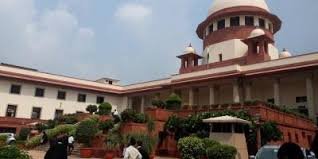
In the case of Nilesh C. Ojha v. High Court of Judicature at Bombay (2026), the Supreme Court of India dismissed appeals filed by an advocate against High Court orders in a criminal contempt proceeding, emphasizing that reckless allegations against judges undermine the foundation of judicial independence.
The following is a summary of the judgment:
Case Background
The appellant, an advocate, was representing a client in a writ petition concerning a death under suspicious circumstances. On April 1, 2025, the evening before the matter was to be heard, the appellant held a press conference where he made serious insinuations against a sitting High Court Judge (“Justice X”), alleging she was disqualified due to personal and political associations.
Following a letter from the concerned Judge to the Chief Justice, the High Court took suo motu cognizance of criminal contempt, asserting that the statements tended to scandalize the court and interfere with judicial proceedings.
Procedural History and Contested Orders
The appellant challenged two specific orders of the High Court:
- Rejection of Impleadment: The appellant sought to implead “Justice X” as a party-respondent in the contempt case. The High Court rejected this, ruling that a judge who provides information to the Chief Justice is neither a complainant nor a necessary party.
- Additional Contempt Charges: While dismissing the impleadment application, the High Court took additional suo motu notice of “disparaging and scandalous” imputations the appellant made within the application itself.
- Refusal of Recusal: The High Court dismissed as “frivolous” the appellant’s request for the recusal of the Chief Justice and the disqualification of the five-judge bench.
Key Findings of the Supreme Court
The Supreme Court declined to interfere with the High Court’s proceedings, basing its decision on several constitutional and ethical principles:
- Judicial Independence: The Court reaffirmed that judicial independence is a “foundational and non-derogable feature” of the Constitution, intended to ensure judges can function free from external pressure or fear.
- Limits of Criticism: While fair and bona fide criticism of judicial decisions is a legitimate part of democratic discourse, “reckless aspersions” directed at the integrity or neutrality of a judge strike at the very foundation of the justice delivery system.
- Heightened Duty of Advocates: As a member of the Bar and an officer of the Court, the appellant was under a “heightened obligation” to conduct himself with restraint, sobriety, and fidelity to ethical standards. The Court noted that carrying a pending judicial controversy into the public domain through a press conference is wholly inconsistent with the discipline expected of an advocate.
- Nature of the Allegations: The Court observed that the allegations appeared to traverse beyond legal error to impute improper motives without a demonstrable foundation, which risks eroding public confidence in the administration of justice.
Conclusion
The Supreme Court concluded that there was no case for interference with the High Court’s orders at this stage. The Court dismissed the appeals and requested the High Court to proceed with the contempt matter expeditiously and adjudicate on all issues independently on their own merits.
2026 INSC 390
Nilesh C. Ojha V. High Court Of Judicature At Bombay Through Secretary & Ors. (D.O.J. 20.04.2026)