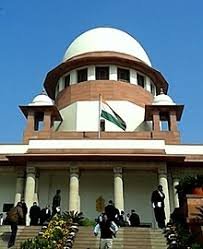
Taking suo moto cognizance of recent rape incidents in the Delhi NCR, the Supreme Court of India issued comprehensive interim directives to transition public safety from reactive crime investigation to proactive preventive policing. Drawing upon the “Broken Windows Theory,” the Court emphasized that unaddressed infrastructural lapses—such as non-functional CCTVs, poor street lighting, and unmonitored dark stretches—signal systemic neglect and invite criminal behavior. The Court ordered immediate real-time monitoring via war-room control centers, mandatory verification and display of identity for public transport operators, enhanced beat patrolling, streamlining of citizen grievance portals, and institutional accountability from top officials.
- Philosophical Basis: Preventive Policing & Broken Windows Theory
- Preventive Dimension: The Court noted that public safety cannot rely solely on post-crime prosecution; active deterrence through surveillance, patrolling, and prompt remedial action is vital.
- Broken Windows Theory: Unattended civic neglect (e.g., broken streetlights, dark spots, unaddressed complaints) creates an impression of reduced vigilance, fostering environments conducive to crime.
- Institutional Practice: Preventive policing must be institutionalized through regular training modules (conducted via BPR&D and internal branches) rather than left to individual officer initiative.
- Real-Time Command Centers & Infrastructure Audits
- War Rooms: The Chief Secretary of GNCTD and Commissioner of Police, Delhi, must furnish a joint report on the existence, coverage, and emergency deployment protocols of dedicated control-room command centers.
- Lighting Audits: Infrastructure audits assessing lighting adequacy must measure baseline public lighting independently of illumination provided by private buildings or commercial billboards.
- Transport & Public Safety Directives
- Driver & Assistant Verification: Strict verification is mandated for operators of government/private buses, app-aggregators (Ola, Uber, Rapido), taxis, and auto-rickshaws.
- Mandatory Identification Display: Names and photos of verified drivers/assistants must be prominently displayed inside vehicles; unauthorized sub-letting or substitution is strictly prohibited and carries penalties like service dismissal and vehicle seizure.
- SOS Protocol Transparency: Public awareness campaigns must be conducted to explain the exact response protocol, turnaround time, and intervention mechanisms activated upon pressing SOS buttons.
- Targeting Illegal Spots: Immediate removal of habitually unlawfully parked heavy vehicles/trucks causing blind spots, along with action against unauthorized liquor vendors and loitering.
- Evaluation of Existing Police Frameworks
- Shishtachar Squads & Operation “Nirbheek”: The Delhi Police must submit 3 months of weekly diaries and outcome reports regarding Shishtachar Squads (anti-eve-teasing units) to verify ground-level operational efficacy over mere paperwork.
- Complainant Protection: Status reports were ordered detailing safety measures, identity confidentiality, and retaliation prevention under the Nazuk Scheme and Operation Nirbheek.
- Police Staffing Shortfall: The Delhi Police Commissioner must submit an updated report on police staffing to address the ~39% shortage previously highlighted by CAG Report No. 15 of 2020.
- Citizen Participation & Grievance Consolidation
- Streamlining Redressal: Acknowledging the confusion caused by multiple complaint apps/portals (e.g., CM Jan Sunwai, PWD Seva, NDMC-311, 112 Helpline) among illiterate or non-smartphone users, authorities were instructed to address portal consolidation and accessibility.
- Community Engagement: Regular local citizen-engagement meetings must be conducted under designated officers to direct field personnel toward local vulnerabilities.
- QR-Code Patrolling: A feasibility report was ordered regarding QR-code-based patrolling with automated time-stamping and geo-fencing for police accountability.
- Personal Liability & Procedural Orders
- Direct Accountability: The Chief Secretary, GNCTD, and the Commissioner of Police, Delhi, are designated as the sole deponents for all compliance affidavits and will be held personally answerable for non-compliance.
- Timeline: Compliance affidavits and status reports are to be filed on or before November 6, 2026, with the next hearing scheduled for November 16, 2026.
2026 INSC 1096
Suo Moto Writ Petition (Criminal) No. 6/2026: In Re: Recent Rape Incidents in Delhi NCR (D.O.J. 05.10.2026)