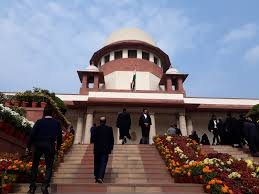
In the matter of M. Paramesh vs. VRL Logistics Ltd. and Another (2026 INSC 655), the Supreme Court of India allowed a claimant’s appeal to enhance compensation for injuries sustained in a motor accident that resulted in the above-knee amputation of his right leg. The Court held that when assessing compensation for permanent disability, Tribunals must distinguish between “physical disability” and “functional disability”. Finding that the appellant, a mason, suffered 100% functional disability due to his inability to continue his manual avocation, the Court increased the total compensation from ₹29,01,570 (as awarded by the High Court) to ₹40,29,730.
On April 18, 2017, the appellant, a 30-year-old mason, was riding his bicycle when he was hit by a lorry, resulting in severe injuries and the subsequent amputation of his right leg above the knee. The Motor Accident Claims Tribunal (MACT) awarded ₹10,84,330, assessing his monthly income at ₹6,000 and physical disability at 70%. The High Court subsequently enhanced the compensation to ₹23,86,320 (later corrected by the Supreme Court to ₹29,01,570) by increasing his income to ₹12,000 and granting future prospects, but the appellant remained dissatisfied and appealed to the Supreme Court.
Supreme Court Analysis
- Functional vs. Physical Disability: The Court emphasized that physical disability does not always equate to economic loss. Citing Raj Kumar vs. Ajay Kumar, the Court held that the Tribunal must assess the functional impact of the disability on the claimant’s specific profession.
- Assessment of Earning Capacity: Since the appellant was a mason—a job requiring the continuous use of both legs—the amputation rendered him 100% functionally disabled regarding his ability to earn a livelihood in his chosen avocation. Therefore, the Court assessed the loss of earning capacity at 100% instead of the 70% physical disability percentage.
- Computation Errors: The Supreme Court identified and corrected calculation errors in the High Court’s judgment, specifically noting that the High Court failed to correctly apply the 40% future prospects to the recalculated income and omitted certain medical and maintenance heads from the final total.
- Future Medical Expenses: The Court increased the allowance for future medical expenses and artificial limb/prosthesis maintenance from ₹1,00,000 to ₹2,00,000, noting the necessity of lifetime replacement and rehabilitation.
Final Order
- The total compensation was enhanced to ₹40,29,730.
- The respondent insurance company was directed to deposit the enhanced amount within six weeks.
- The enhanced compensation will carry interest at the rate of 7.5% per annum, as originally ordered by the High Court.
2026 INSC 655
M. Paramesh V. Vrl Logistics Ltd. And Another (D.O.J. 23.06.2026)