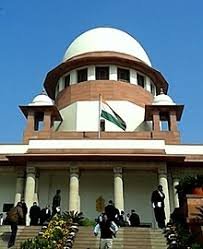
The Supreme Court of India dismissed a Special Leave Petition challenging the Madras High Court’s dismissal of an election petition in limine. The petitioner had challenged the election of Respondent No. 1 to the Tamil Nadu Legislative Assembly from the Thirumayam Constituency. The primary legal question was whether the requirement of personal presentation of an election petition by the petitioner under Section 81 of the Representation of the People Act, 1951 (RP Act) and Rule 7 of the Madras High Court Election Petitions Rules, 1967 is mandatory, and whether non-compliance entails automatic dismissal at the threshold under Section 86(1) of the RP Act. The Apex Court affirmed that presentation “by” the petitioner himself is an essential statutory prerequisite and that failure to personally present the petition renders it non-maintainable, necessitating threshold dismissal under Section 86(1).
1. Background and Lower Court Ruling
- Election Dispute: The petitioner filed an election petition (ELP No. 36/2026) seeking to declare the election of Respondent No. 1 null and void on grounds of corrupt practices, specifically alleging non-disclosure of spouse’s assets in statutory Form 26.
- High Court Dismissal: The Madras High Court dismissed the election petition as non-maintainable because it was presented by the petitioner’s advocate rather than by the petitioner in person, violating Rule 7 of the Madras High Court Election Petitions Rules, 1967.
2. Legal Issues Analyzed
- Mandatory Character of Section 81(1) RP Act: Section 81(1) stipulates five distinct components, including that the petition must be presented “by” the petitioner. Section 86(1) mandates that the High Court “shall dismiss” an election petition that fails to comply with Section 81.
- Effect of Omission of Section 81(2): Following the 1966 amendment to the RP Act, original modes permitting presentation through an authorized representative or registered post were deleted, signaling clear legislative intent for strict personal presentation.
- High Court’s Rule-Making Competence: Relying on Jamal Uddin Ahmad v. Abu Saleh Najmuddin, the Court held that High Courts have inherent and administrative power to regulate procedural incidents (such as Rule 7 of the Madras Rules) attending election petition jurisdiction, provided they do not conflict with the RP Act.
3. Court’s Evaluation of Evidence & Precedents
- Failure to Prove Personal Presentation: The petitioner’s reliance on CISF gate passes, security deposit receipts, and CCTV footage only proved his presence on the court campus on the filing date, not actual personal presentation before the Designated Registrar. Security deposit receipts were notably issued in his advocate’s name.
- Distinction from Other Decisions:
- Distinguished Vijay Laxmi Sadho v. Jagdish: Clarified that while non-compliance with Section 83 defects (such as affidavit formats) does not attract threshold dismissal under Section 86(1), defects violating Section 81 mandatory requirements incur immediate dismissal.
- Distinguished Sheo Sadan Singh v. Mohan Lal Gautam: Noted that substantial compliance is only met if the advocate presents the petition in the immediate physical presence of the petitioner, which was not the case here.
4. Final Order
The Supreme Court upheld the Madras High Court’s order, reiterating that the RP Act is a complete and self-contained code requiring strict statutory adherence. Consequently, the Special Leave Petition was dismissed as sans merit.
2026 INSC 1092
V. Pon. Paneerselvam v. S. Regupathy and Others (D.O.J. 07.10.2026)