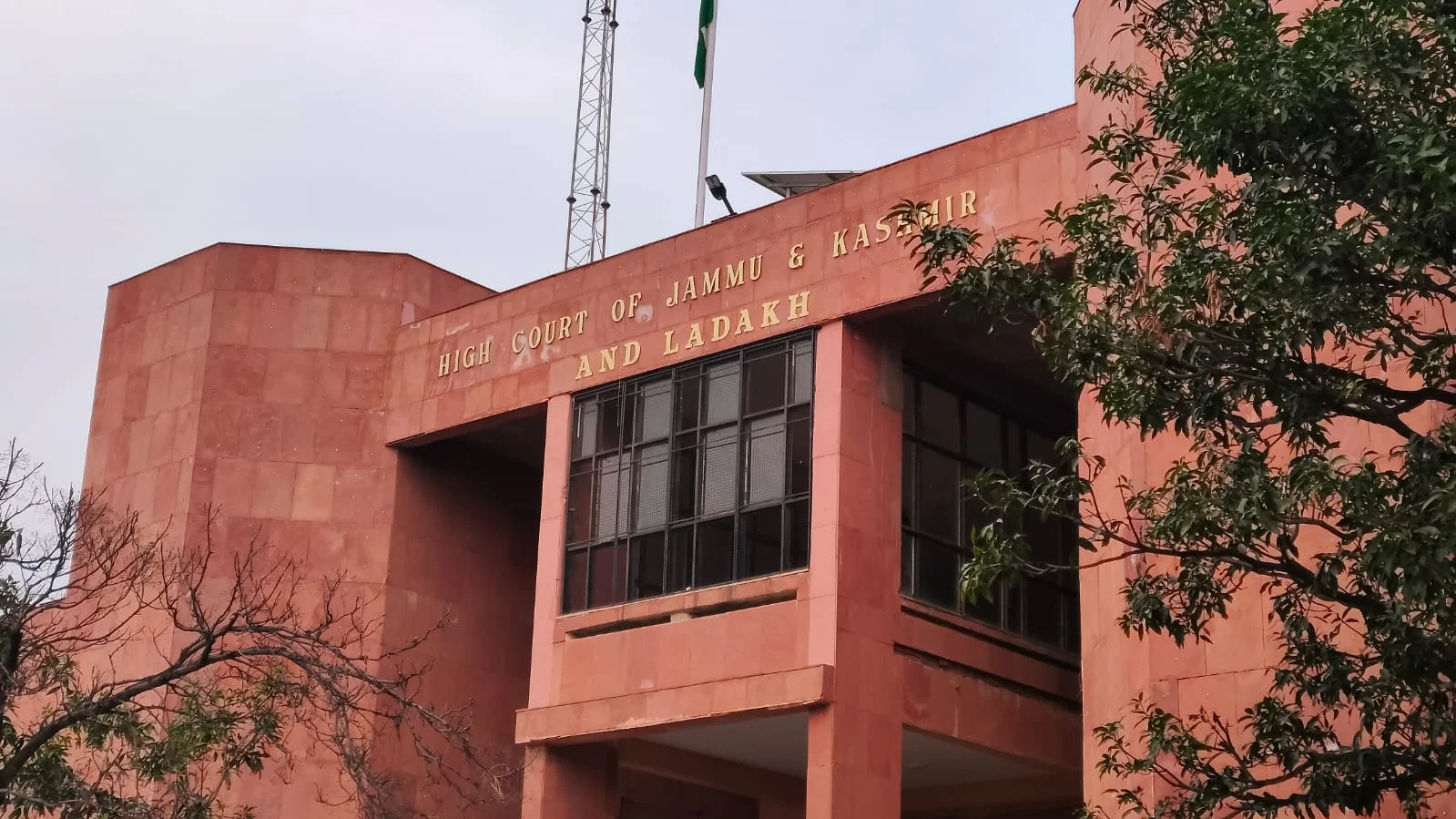
This judgment delivered by the High Court of Jammu & Kashmir and Ladakh at Jammu addresses a service dispute where Scheduled Caste candidates challenging their exclusion from the select list for Constable (General Duty) in the Border Security Force (BSF) and Assam Rifles. The petitioners, who secured higher marks than selected open merit and private candidates, were denied consideration in the open merit category solely because the authorities treated their physical standards relaxations (height and chest) as category-based concessions. The High Court allowed the writ petition, holding that relaxations granted on account of regional domicile in the Union Territory of Jammu and Kashmir apply uniformly across all categories and do not constitute caste-based concessions, and consequently ordered the appointment of the petitioners by creating supernumerary posts if necessary.
- Factual Matrix: The petitioners, permanent residents of J&K belonging to the Scheduled Caste category, applied for recruitment as Constables/Riflemen under a 2018 advertisement notice. Although they cleared the computer-based examination with higher marks than several selected candidates, they were excluded from selection because the official respondents categorized them exclusively against reserved vacancies due to physical standard relaxations.
- Nature of Relaxations: The Court analyzed the recruitment notice criteria and noted that physical height and chest relaxations were granted to all candidates residing in the Union Territory of Jammu and Kashmir (as well as specific regions like Dogras and Marathas) as a regional/domiciliary standard, entirely independent of caste status.
- Distinction Between Domicile and Caste: Relying on precedents from the Delhi High Court (Hemant Pokhriyal v. SSC) and Gauhati High Court (Jitendra Thakur v. Union of India), the Court ruled that regional or domiciliary relaxations cannot be conflated with caste-specific concessions to block a meritorious reserved candidate from migrating to the open merit category. The Supreme Court precedent cited by the respondents (Union of India v. Sajib Roy) was distinguished because it involved caste-specific age relaxations, whereas the petitioners utilized only uniform domiciliary standards.
- Balancing Equities and Relief: Noting that the recruitment year had long concluded and existing vacancies were rolled over to subsequent recruitment cycles, the Court held that displacing already trained private respondents would be harsh and iniquitous.
Final Order: The writ petition was disposed of with directions to the official respondents to consider and appoint the petitioners against the posts they merit within three months, and in the absence of vacant posts, to create supernumerary posts for their adjustment.
J.O. (Web) 2026 J & K 17
Amit Kundal and others v. Union of India and others (D.O.J.17.07.2026)
J.O. (Web) 2026 J & K 17 click here to view full text of judgment