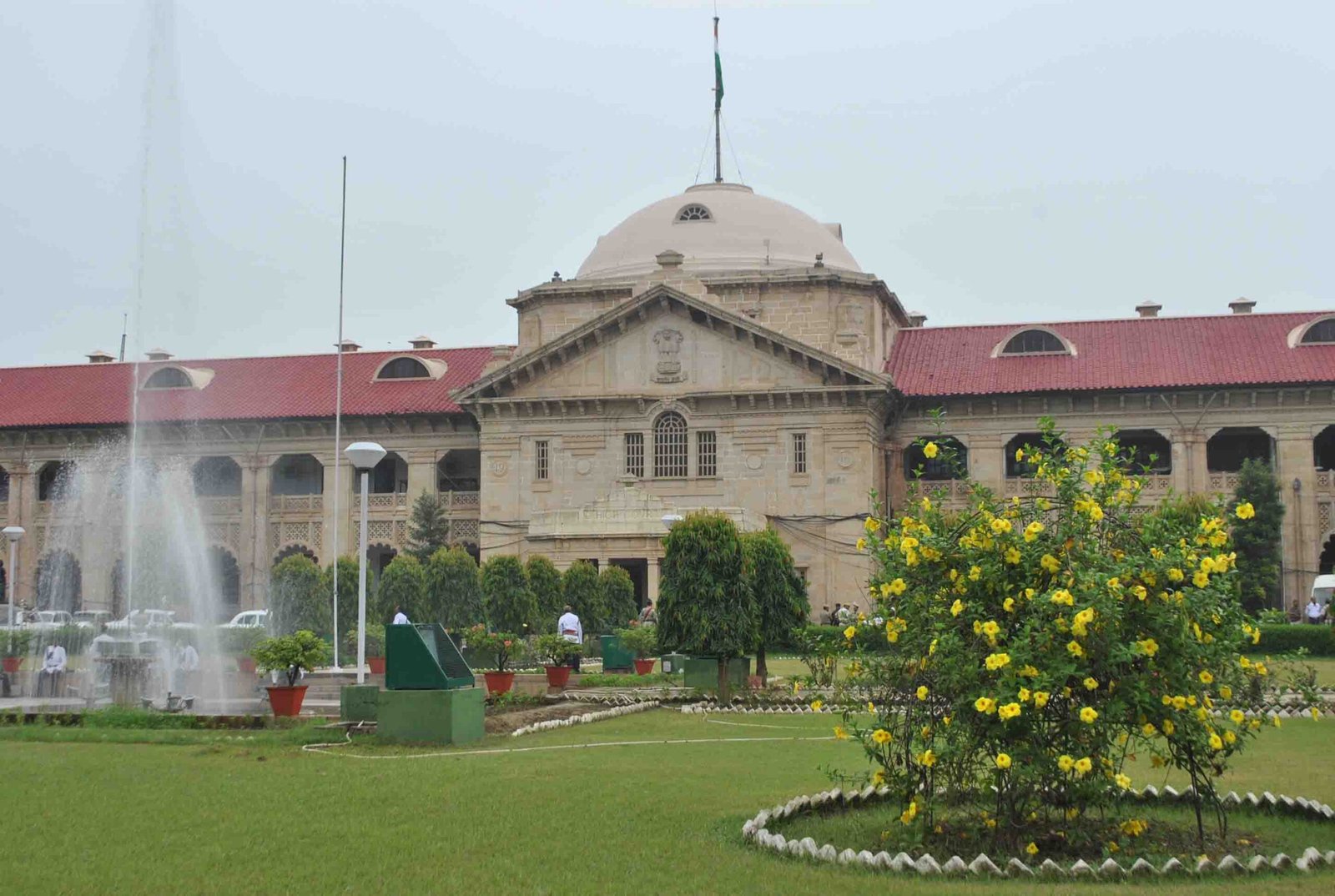
This criminal appeal arose from a judgment passed by the 1st Additional Sessions Judge, Banda, convicting three individuals—Kedar, Bahadur, and Chunubad—under Sections 148, 364, 302, and 201 of the Indian Penal Code, 1860, and sentencing them to life imprisonment for murder. During the pendency of the appeal, Kedar and Bahadur passed away, leaving Chunubad as the sole surviving appellant. The Allahabad High Court scrutinized the ocular testimony of the interested prosecution witnesses against a backdrop of entrenched historical animosity and criminal litigation between the families. Finding the presence of the eye-witnesses at the scene of the crime doubtful, the lack of independent corroboration, and the prosecution’s failure to prove its case beyond a reasonable doubt, the High Court set aside the trial court’s judgment, allowed the appeal, and acquitted the sole surviving appellant, Chunubad.
- Background and Charges: Three men stood trial for the abduction, murder, and subsequent burning of the dead body of the deceased, Sahendrapal, following minor disputes over cattle damaging crops. The trial court convicted all three accused under Sections 148, 364, 302, and 201 IPC, leading to the filing of the instant appeal.
- Ocular Testimony and Animosity: The prosecution’s case heavily relied on two eye-witnesses (PW-3 Rajesh and PW-4 Bhola), who were close blood relatives of the deceased. Evidence revealed a deep-seated historical enmity and cross-murders between the families of the accused and the witnesses, rendering the witnesses partisan and interested.
- Lack of Independent Corroboration: Although the witnesses claimed that other independent villagers (such as Mahesh and Raj Karan) accompanied them during the rescue mission, the prosecution failed to examine any of these independent witnesses. The Court noted that under such shaky circumstances, the withholding of available independent witnesses warrants an adverse inference against the prosecution.
- Incredible Conduct of Witnesses: The Court found the behavior of the witnesses improbable, noting that it defied logic for unarmed rescuers to bravely follow multiple gun-wielding assailants over a long distance after receiving death threats, watch a murder take place in cold blood, and yet be spared by the killers, only to hide in fear overnight without immediately notifying the police.
- Final Ruling: Concluding that the foundational presence of the eye-witnesses at the scene was highly doubtful and that the prosecution failed to establish guilt beyond a reasonable doubt, the High Court allowed the appeal, set aside the conviction, and acquitted the sole surviving appellant, Chunubad, granting him relief from his bail bonds subject to statutory compliance.
J.O. (Web) 2026 ALL 35
Kedar and others v. State (D.O.J. 01.07.2026)
J.O. (Web) 2026 ALL 35 click here to view full text of judgment