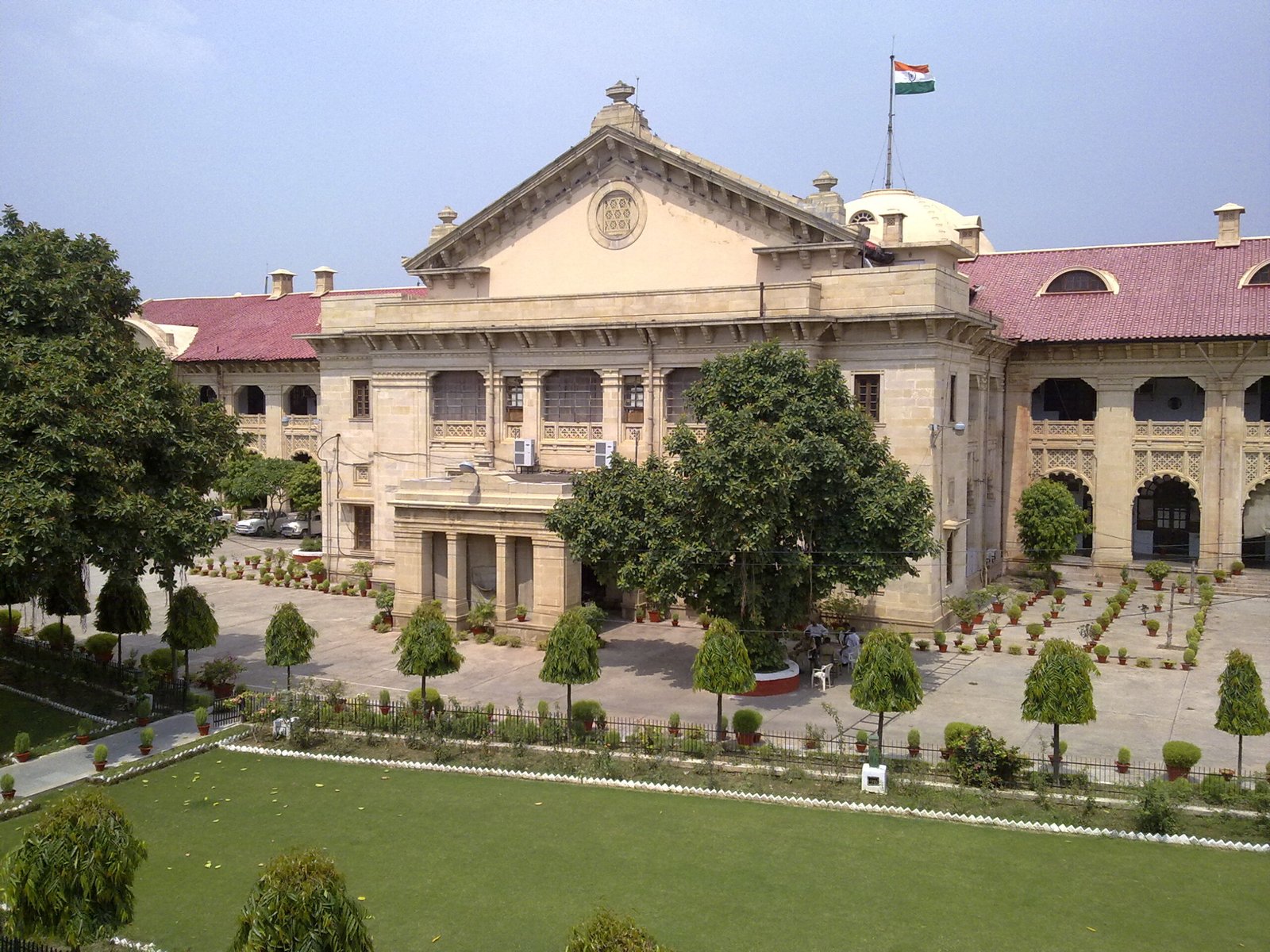
The High Court addressed a restoration application in a long-standing service matter filed by an 85-year-old retired Station Officer who had been tirelessly fighting for a promotion denied since 1980. Despite multiple technical dismissals for default and non-prosecution over the years, the Court invoked the principles of substantial justice outlined by the Supreme Court in Collector Land Acquisition, Anantnag v. Mst. Katiji to condone delays, recall previous dismissal orders, and restore the writ petition to examine its merits. Finding that the State failed to demonstrate that adverse ACR entries were ever communicated to the petitioner—and noting the inherent contradiction in denying promotion based on uncommunicated remarks while claiming he was considered—the Court set aside the Tribunal’s orders and allowed the writ petition, directing the authorities to grant the petitioner promotional salary, benefits from 16 March 1980, and corresponding retiral recalculations within four weeks.
- Background and Procedural History:
- The petitioner retired as a Station Officer (SO) in 1999.
- His departmental representation for promotion was rejected by the Director General of Police (DGP) on 6 April 2010.
- His subsequent claim petition and review before the State Public Services Tribunal were dismissed on 30 November 2012 and 10 June 2013, respectively.
- The ensuing writ petition and subsequent restoration applications faced dismissals for default in 2015 and late 2025. Despite being over 85 years old, the petitioner consistently prosecuted his case in person.
- Application of Supreme Court Precedent on Delay:
- Drawing inspiration from Collector Land Acquisition, Anantnag v. Mst. Katiji [(1987) 2 SCC 107], the Court emphasized that the judiciary exists to remove injustice rather than penalize litigants on technical grounds.
- Given the petitioner’s age, diligence, and language barriers, the Court recalled the orders dated 11 December 2025 and 16 February 2015, successfully restoring the writ petition to its original number for a substantive hearing.
- Flaws in Departmental Handling and Uncommunicated Adverse Entries:
- The State failed to provide instructions or effectively contest the matter despite multiple notices.
- The Tribunal had previously dismissed the claim based on the DGP’s order citing multiple adverse entries (spanning 1973 to 1994) and punishments.
- However, the High Court noted there was no satisfactory evidence showing that these adverse remarks had ever been legally communicated to the petitioner prior to being used against him.
- Unfair Treatment and Final Relief:
- The Court observed a glaring contradiction: while the DGP claimed the petitioner was considered for promotion, the denial was supposedly hinged on uncommunicated adverse entries without any concrete assessment record.
- Concluding that the octogenarian petitioner was treated unfairly, the Court issued a writ of certiorari quashing the Tribunal’s judgment dated 30 November 2012, and a writ of mandamus directing the respondents to promote him to the post of Inspector of Civil Police with effect from 16 March 1980.
- The respondents were ordered to compute and disburse all promotional salaries, allowances, and corresponding retiral benefits up to his retirement within four weeks of receiving the website copy of the order.
J.O. (Web) 2026 ALL 191
Ram Autar Singh Yadav Versus State of U.P. and Another (D.O.J. 19.05.2026)
J.O. (Web) 2026 ALL 191 click here to view full text of judgment