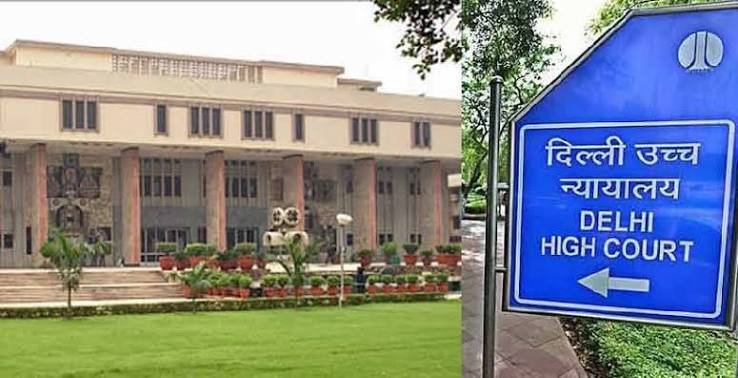
The present writ petitions filed under Article 226 of the Constitution of India sought the setting aside of orders passed by the Sentence Review Board (SRB) and the Government of NCT of Delhi, which had rejected the premature release applications of the petitioners, Ramesh and Tasleem. Both petitioners, serving life sentences with actual imprisonment exceeding 31 years and 15 years respectively, argued that their repeated rejections by the SRB were mechanical, relied solely on the gravity of the original crimes, and completely ignored their exemplary post-conviction conduct, rehabilitation, and statutory eligibility. The Delhi High Court, through Justice A.J. Bhambhani, extensively examined the statutory framework of Section 432 of the Cr.P.C., the 2004 Remission Guidelines, and the Delhi Prison Rules, 2018, alongside international and domestic jurisprudence. The Court held that the SRB’s approach of repeatedly denying premature release based on static factors like the heinousness of the crime or speculative public sentiment was arbitrary, unconstitutional, and violative of Article 21. Consequently, the Court set aside the impugned rejection orders and directed the immediate release of both petitioners.
- Scope of Remission and Executive Discretion: Remission only affects the execution of a sentence without altering the conviction or guilt, and while no convict has a fundamental right to remission, they possess a legal right to a fair, non-arbitrary, and meaningful consideration.
- Rejection of Standalone Reliance on Gravity: The gravity of the original offence and the length of the sentence are static historical facts that cannot, by themselves, serve as permanent or sole bars to premature release once statutory eligibility thresholds are crossed.
- Primacy of Post-Conviction Conduct: Under Rule 1244 of the Delhi Prison Rules, post-conviction conduct is the primary indicator of reformation and rehabilitation, which must not be arbitrarily discounted or overridden by generic apprehensions or police opposition unsupported by cogent material.
- Impermissibility of Extraneous Factors: Considerations such as the notion that a “wrong message” would be sent to society or that public faith in the legal system would be shaken are de hors the statutory criteria and irrelevant to assessing a convict’s reformative progress.
- Specific Relief for Ramesh: Ramesh had undergone over 31 years of actual imprisonment (over 40 years with remissions), maintained a flawless disciplinary record with multiple skill-development certifications, and successfully completed 32 parole/furlough spells without misuse; yet the SRB repeatedly rejected his plea while mischaracterizing his conviction as murder under Section 302 IPC instead of culpable homicide under Section 304-II IPC.
- Specific Relief for Tasleem: Tasleem had completed over 15 years of actual custody, satisfied eligibility criteria, secured positive recommendations from the Social Welfare and Prison Authorities, and had zero adverse reports during temporary releases, making the SRB’s repeated rejections legally unsustainable.
- Direct Judicial Intervention: Emphasizing that remanding the matters back to the SRB would be futile given a history of repeated, arbitrary, and mechanical rejections, the Court exercised its power under Article 226 to directly order the immediate release of both petitioners to prevent a gross miscarriage of justice.