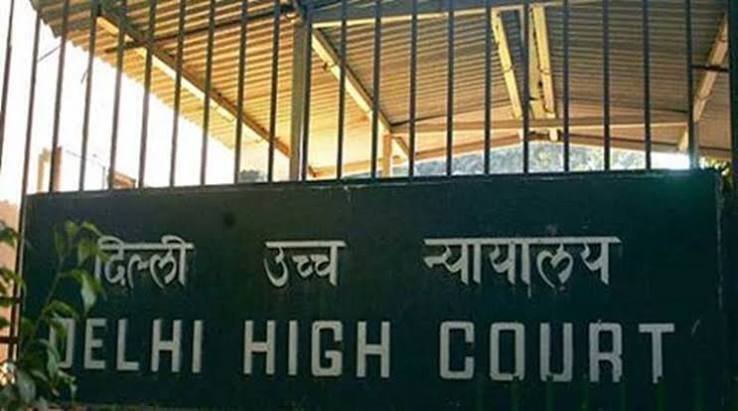
In the case of Raju Kumar Manjhi vs. Central Bureau of Investigation, the Delhi High Court granted regular bail to an applicant accused of being a key member of an organized cyber-fraud and money-laundering syndicate that utilized “digital arrests” to extort money. Justice Saurabh Banerjee observed that the investigating agency had never arrested the applicant during the entire course of the investigation and only took him into custody after the charge-sheet was filed. Relying on Supreme Court precedent, the Court held that since the evidence is primarily documentary and electronic and is already in the custody of the state, and given that co-accused with more significant roles have already been granted bail, the applicant’s further detention was unnecessary.
- Nature of the Allegations
The FIR was registered by the CBI against a cyber-fraud network that impersonated law enforcement and courier agencies (such as FedEx and Mumbai Cyber Crime officials). The syndicate allegedly employed digital surveillance and “digital arrests” to extort money from victims. In one specific instance, a victim was kept under digital confinement for several days and coerced into transferring approximately Rs. 48.56 lakhs into fraudulent bank accounts.
- Role Ascribed to the Applicant
The prosecution identified the applicant as a “key member” of the syndicate. Investigation of IP logs and call records revealed that a mobile number registered in the applicant’s name was used to access the internet banking of “M/s. Sabir Enterprise,” an account used to receive the extorted funds. The applicant’s presence in locations such as Gurgaon and Kolkata was corroborated through CDRs and delivery app logs linked to his address.
- Lack of Arrest During Investigation
A primary factor in the Court’s decision was that the CBI did not consider it necessary to arrest the applicant while the investigation was ongoing. He was only sent to judicial custody after he appeared before the Magistrate pursuant to a summons following the filing of the charge-sheet. The Court noted that if the investigating agency needed custodial interrogation, it should have exercised its powers to arrest him during the probe rather than seeking it after the investigation was completed.
- Legal Precedent and Evidentiary Status
The Court cited the Supreme Court decision in ***Musheer Alam vs. The State of Uttar Pradesh & Anr.***, which criticized the practice of arresting an accused only after the charge-sheet is filed. Furthermore, the Court highlighted:
- Seizure of Evidence: The case rests almost entirely on documentary and electronic evidence which is already seized, leaving little scope for tampering.
- Parity: Other co-accused persons who were attributed comparatively more significant roles in the fraud have already been granted bail.
- Final Conclusion and Conditions
The Court allowed the bail application, finding that the purpose of bail—to secure the presence of the applicant during trial—could be met through appropriate conditions. The applicant was released on a personal bond of Rs. 50,000/- with one surety, subject to the following conditions:
- He shall not leave the NCT of Delhi without prior permission.
- He must surrender his passport to the Investigating Officer within three days.
- He must provide all his mobile numbers to the IO and ensure they remain operational.
- He must report to the IO at the CBI office once every month.
- He is strictly prohibited from communicating with or contacting any prosecution witnesses.
2026 DHC 5392
Raju Kumar Manjhi vs. Central Bureau of Investigation(D.O.J. 06.07.2026)