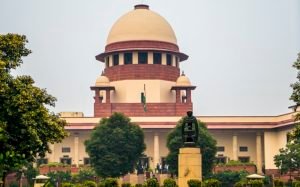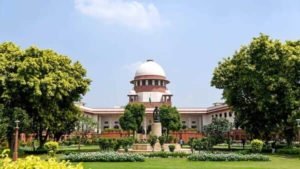
In the matter of Malkit Singh and Anr. vs. State of U.T., Chandigarh & Ors. (2026 INSC 663), the Supreme Court of India issued comprehensive directions to regulate street vending in Chandigarh, aiming to balance the removal of unauthorized encroachments with the protection of vendor livelihoods. The Court mandated that vending zones be made fully operational with basic amenities, security measures like CCTV, and a streamlined appeal process for vendors. Furthermore, the Court quashed the July 17, 2020, notification that had expanded the definition of “Essential Service Providers” (ESP) and extended vending hours, effectively restoring the status quo ante to ensure regulated street usage.
Background and Objectives
- Purpose: The Court’s intervention sought to ensure Chandigarh’s streets remain free of unauthorized encroachments while ensuring vendors are lawfully sheltered in designated zones, emphasizing that anything less constitutes “mere performance” rather than actual compliance.
- Procedural History: Following previous orders, the Commissioner of the Municipal Corporation, Chandigarh (MCC), filed affidavits detailing vendor registration (totaling 10,939), anti-encroachment efforts, and the status of license cancellations and appeals.
Key Directions for Regulatory Compliance
The Court issued the following mandates for the MCC:
- Operational Zones: Recently identified vending zones must be made fully operational, equipped with necessary public amenities (e.g., drinking water, toilets) and maintained with daily inspections.
- Vendor Support: Smart cards should be issued swiftly, with vendor details shared with local police and district administration. Advertisements must be placed in media to inform the public of zone locations and timings.
- Security: CCTV cameras must be installed in vending zones within six months to ensure the safety of vendors and buyers.
- Dispute Resolution: All pending applications and appeals must be decided within 60 days, while a 30-day timeline is set for fresh applications, in accordance with the Street Vendors Act, 2014.
Reversal of 2020 Notification
- Challenge to ESP Definition: The learned amicus curiae argued that the 2020 notification—which expanded the definition of “Essential Service Providers” to include items like Chhole Bhature and extended operational hours until 10 P.M.—was a temporary measure for the COVID-19 pandemic that had outlived its utility.
- Decision: Agreeing with the amicus curiae, the Court quashed the notification dated July 17, 2020, reinstating the previous regulatory framework.
Status of Compliance
- Reporting: The Court directed the MCC to file a status report on compliance by July 22, 2026, and scheduled the next hearing for July 24, 2026.
2026 INSC 663
Malkit Singh And Anr. V. State Of U.T., Chandigarh & Ors. (D.O.J. 01.07.2026)